

The best waterproof binoculars for hiking combine documented water protection with a manageable weight and a view that is easy to use when wildlife appears. On open daytime trails, a pocket pair can keep your load light; in shaded woodland, slightly larger lenses may be worth the extra bulk. Comfort matters just as much as size, especially if you wear glasses or use binoculars throughout a long walk. This guide compares five 8x models using manufacturers’ published water-protection claims, weight, field of view, eye relief and Amazon buying options. We explain each option’s practical advantages and compromises to help you choose for rainy routes, regular birdwatching stops or minimal pack weight. Start with the quick verdict below, then use the comparison table to narrow your shortlist.
Affiliate Disclosure: We may earn a commission at no extra cost to you when you make a qualifying purchase through affiliate links in this guide. Buying buttons open Amazon.com. Read our full affiliate disclosure.
Best waterproof binoculars for hiking: quick comparison
On smaller screens, swipe across the table to compare all features and buying options.
| Image | Binocular | Best for | Manufacturer’s water protection | Weight | Where to buy |
|---|---|---|---|---|---|
 | Celestron TrailSeeker ED 8×32 | Overall balance | IPX7: 1 m for 30 minutes | 499 g (17.6 oz) | Check PriceAmazon |
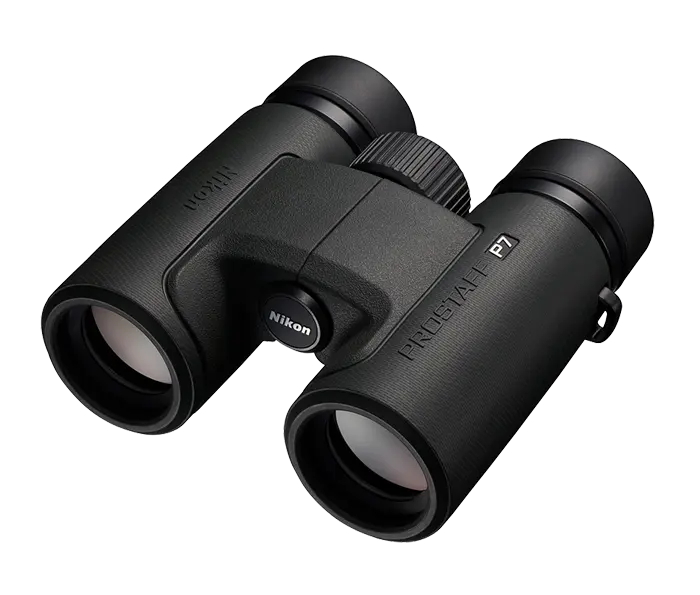 | Nikon PROSTAFF P7 8×30 | Value and widest view | 1 m for 10 minutes | 485 g (17.1 oz) | Check PriceAmazon |
 | Nikon MONARCH M7 8×30 | ED-glass upgrade | 1 m for 10 minutes | 465 g (16.4 oz) | Check PriceAmazon |
 | Opticron Traveller BGA ED 8×32 | Viewing with glasses | 3 m depth; duration not stated on product page | 452 g (15.9 oz) | Check PriceAmazon model search |
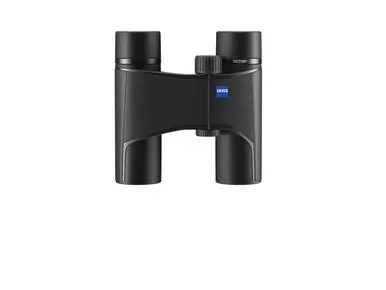 | ZEISS Victory Pocket 8×25 | Lightweight travel | 100 mbar water resistance | 290 g (10.2 oz) | Check PriceAmazon |
Open Amazon for the current price and availability. Confirm the exact model, condition, seller and package contents. Tax and shipping may affect the total. Water claims use different test descriptions; none of these models is intended for underwater viewing.
How we chose these binoculars
This is a research-based buying guide using manufacturer specifications and model-specific documentation. We have not conducted hands-on optical or immersion tests. Our recommendations weigh documented water protection, carrying weight, field of view, eye relief and cost; they do not claim measured image-quality scores. See how we review optics for our editorial approach.
All five use 8x magnification and 25–32 mm objectives. That keeps the comparison focused on binoculars you can carry through a full walking day. We gave each a distinct role rather than ranking expensive models higher simply because they cost more. For a wider selection of formats, including larger options, see our hiking binocular buying guide.
01 / Best overall balance
Celestron TrailSeeker ED 8×32
The TrailSeeker ED is our starting point for hikers who expect rain and want a mid-size binocular. Celestron specifies IPX7 protection at 1 m for 30 minutes, with nitrogen filling. Its 32 mm lenses and 410 ft field of view at 1,000 yards provide a useful middle ground between a pocket pair and a larger birding binocular.
At 499 g, it is the heaviest option here, although still compact enough to consider for a daypack. The choice makes most sense when you are happy to carry a little more for the 8×32 format. Its ED glass is designed to reduce color fringing; that feature does not establish an independently tested sharpness advantage.
Reasons to choose it
- Clearly stated IPX7 depth and duration.
- 4 mm exit pupil in a mid-size body.
- ED glass with a manageable 32 mm format.
What to weigh up
- 15.6 mm eye relief may limit the view with some glasses.
- More carrying weight than the 8×30 alternatives.
Choose it if: wet-weather documentation and a balanced daytime format matter more than the smallest possible package.
02 / Best value
Nikon PROSTAFF P7 8×30
The P7 has the widest published field in this comparison: 456 ft at 1,000 yards. Its light 8×30 body makes it a sensible first shortlist choice for hikers who want to find birds quickly while keeping carrying weight down.
Nikon specifies waterproofing to 1 m for 10 minutes, nitrogen filling, a locking diopter and oil- and water-repellent coatings on the outer lenses. Those features address different trail needs: sealing protects the interior, coatings assist cleaning, and the lock helps preserve your eyesight adjustment.
The main compromises are 15.4 mm eye relief and an 8.2 ft close-focus distance. Glasses wearers should check that they can see the complete field. If nearby butterflies are a regular subject, a shorter-focusing model deserves consideration.
Reasons to choose it
- Light 8×30 format for daytime trails.
- Broad view for following movement.
- 485 g body with a locking diopter.
What to weigh up
- Less close-focusing flexibility than the M7.
- No ED-glass specification.
Choose it if: you want an affordable wet-weather pair for daylight hiking and occasional birdwatching.
03 / Best ED-glass upgrade in 8×30
Nikon MONARCH M7 8×30
The M7 is worth considering when wildlife observation is a major part of the hike. Compared with the P7, it adds ED glass, focuses closer at 6.6 ft and trims the stated weight to 465 g. Its 435 ft field at 1,000 yards is slightly narrower, but remains broad for locating birds along a wooded trail.
You are paying for optical features and handling differences rather than a stronger published water limit. Both Nikons specify 1 m for 10 minutes. The M7 also has nitrogen filling, exterior oil- and water-repellent coatings and a locking diopter.
The upgrade is harder to justify if you only raise binoculars a few times per walk. At 15.1 mm, the listed eye relief also makes it important to check the fit with prescription glasses before spending more.
Reasons to choose it
- ED glass for controlling color fringing.
- Closer focus and lower weight than the P7.
- Compact format for regular birding stops.
What to weigh up
- Large price step above the P7.
- Same stated immersion limit as the cheaper Nikon.
Choose it if: you want an 8×30 for frequent wildlife viewing and can justify the extra cost.
04 / Best shortlist option for glasses
Opticron Traveller BGA ED 8×32
The Traveller stands out for 19 mm eye relief and four-stage eyecups. Those are useful reasons to try it if glasses prevent you from seeing the edges of the view through shorter-eyepoint binoculars. Frame shape still matters; the specification alone cannot guarantee a comfortable fit.
It combines 32 mm objectives with a 452 g body, a 429 ft field at 1,000 yards and 1.8 m close focus. Opticron’s U.S. page lists nitrogen waterproof construction to 3 m, but does not give a test duration alongside that claim. We therefore do not label it IPX7 or rank its sealing above the others solely by depth.
Reasons to choose it
- Longest nominal eye relief in this group.
- Lightest 32 mm model here.
- Short close focus for nearby nature subjects.
What to weigh up
- Premium pricing compared with the Celestron.
- Amazon button opens a model search; verify product code 30848.
Choose it if: comfortable viewing with glasses is your first priority in a mid-size hiking binocular.
Check Price on AmazonOpens an Amazon search for this exact model.
05 / Best for minimum carrying weight
ZEISS Victory Pocket 8×25
At 290 g, the Victory Pocket saves roughly 160–210 g against the other picks. Its asymmetric folding design makes it the strongest candidate here when binoculars must share a small bag with layers, water and food. It suits hikers who would otherwise leave a heavier pair at home.
ZEISS lists nitrogen filling, LotuTec lens coating and 100 mbar water resistance. This pressure specification is reported as published, rather than converted into an assumed immersion duration. The 390 ft field at 1,000 yards is still useful in a pocket format, with 16.5 mm eye relief and a 1.9 m close focus.
The tradeoff is a small 3.1 mm exit pupil and a high purchase price. A pocket binocular is most compelling for daylight travel; for long sessions under a dark woodland canopy, consider a larger format first.
Reasons to choose it
- Lowest weight and a compact folded shape.
- Useful field width for a pocket model.
What to weigh up
- Premium pocket construction may exceed an occasional-use budget.
- Small body needs a grip and focusing check with your own hands.
Choose it if: pocketability is worth paying for and most of your observations happen in daylight.
Choose for the wet-weather walk you actually take
For a bright day hike with occasional distant sightings, compare the pocket ZEISS with the compact Nikons before assuming a larger body is necessary. The decision is whether easy carrying keeps the binoculars accessible throughout the walk. A small instrument left in a dry pocket between short stops has a different role from a pair worn ready for continuous birdwatching.
For a slow woodland route with frequent stops, compare the Celestron and Opticron with the 8×30 models. Their larger 32 mm objectives produce a different calculated exit pupil, while the published eye relief and weight may matter more to your own comfort. The Opticron has the longest nominal eye relief here; the Celestron supplies a particularly explicit depth-and-duration water claim. Neither fact proves that one will give every reader the better view.
Finally, distinguish rain protection from lens usability. Every option can still have exterior droplets or condensation that interrupt a sighting. Choose a carrying position that lets you use the rainguard quickly, then check whether the focus control and eyecups remain convenient with the clothing and gloves you normally wear. Those handling checks complement the published sealing information; they are not immersion tests.
How to choose waterproof binoculars for hiking
Match the water claim to your route
For a rainy day hike, look for a sealed body and an explicit manufacturer waterproof specification. Rubber armor can help grip, but it does not tell you how the binocular was tested. A named rating or a depth-and-time statement is more useful than an unexplained “all-weather” label.
Compare the wording carefully. Celestron provides both depth and duration with its IPX7 rating; Nikon publishes a different duration; Opticron provides a depth; ZEISS uses pressure. These descriptions are not interchangeable. An immersion test also does not establish resistance to high-pressure jets, repeated impacts or every kind of saltwater exposure. Our waterproof versus water-resistant guide explains the distinction in more detail.
Choose objective size for the light you actually use
An 8×25 is appealing for bright daytime walking because it takes little room. An 8×30 or 8×32 is a practical starting point when you stop frequently to watch wildlife. If your routes regularly end in deep shade or near dusk, consider the extra bulk of an 8×42 before buying an expensive pocket pair.
Exit pupil is objective diameter divided by magnification: about 3.1 mm for 8×25, 3.75 mm for 8×30, 4 mm for 8×32 and 5.25 mm for 8×42. A larger exit pupil can be helpful in dim conditions, but optical transmission and your own eyes also influence the view. These calculations are not brightness test results. For larger choices, see our 8×42 birdwatching binocular guide.
Start with 8x, then check how easily you find a subject
Eight-times magnification is a sensible walking default: it gives useful detail without magnifying hand movement as much as higher powers. Ten-times binoculars can suit distant subjects in open country, but a bigger image is less helpful if you struggle to keep it steady after a climb.
Field of view describes how much of the scene you can see at once. A broad field helps when a bird moves between branches or disappears into cover. Compare figures at the same distance, and look through the binoculars with your usual glasses: the usable field may matter more than the largest number in a specification sheet.
Check comfort before chasing a specification
Try the binoculars with the clothing you wear outdoors. Can you turn the focus wheel with light gloves? Do the eyecups stay where you set them? Can you reach the controls without shifting your grip? A short shop comparison can reveal a poor fit that no waterproof rating will solve.
If you wear glasses, retract the eyecups as directed and look for a complete circular view without pressing against the frames. Longer eye relief is a useful starting point, but eyecup shape and the distance between your eyes affect the result. Check the return policy if you cannot try the exact model locally.
Include the carrying system in your decision
Published binocular weights do not necessarily include the case, caps or strap. Put the complete setup alongside your backpack and decide where it will ride. A chest pouch can make repeated viewing stops easier, but should not clash with a sternum strap or leave wet fabric against the binoculars after the walk.
For a long route with occasional sightings, saving bulk may be the best improvement. For a slow birding walk, quick access and a comfortable grip may justify a larger body. Choose for that pattern of use, rather than assuming the lightest model will suit every trip.
Keep the view clear in wet weather
Waterproofing protects the housing; it does not stop raindrops or exterior condensation from covering a lens. Keep the rainguard accessible and cover the eyepieces between sightings. When cold binoculars meet warm, humid air, give them time to acclimatize. See our binocular fogging guide if this is a recurring problem.
After the hike, remove surface moisture as the manual directs and let the instrument, strap and case dry before storage. Remove loose grit before wiping glass with an approved lens cloth. For salt spray or mud, follow the exact model’s cleaning instructions instead of assuming waterproof means suitable for rinsing under a tap. For transport and the end of a wet walk, use the practical steps for packing and storing binoculars.
Check the binoculars after a significant drop. Persistent internal haze, a stiff control or a doubled image calls for manufacturer advice. Avoid opening the optical housing yourself, which can disturb sealing and alignment.
A quick check before you buy
- Confirm the full model name. TrailSeeker ED differs from the standard TrailSeeker; MONARCH M7 differs from older MONARCH 7 versions; Victory Pocket differs from Terra Pocket.
- Match the size. An 8×30 listing and an 8×42 listing can share a product family while differing in weight, eye relief and field of view.
- Check the seller and package. Look at the included caps, rainguard, strap, warranty eligibility and return terms, especially for imported stock or bundles.
- Use the final retailer price. The table compares practical features; the listing and checkout show the actual offer available to you.
Answers for the trail
Frequently asked questions
Still choosing a size or working out what a waterproof claim covers? Start here.
Do I need waterproof binoculars for hiking?
They are a sensible choice if your walks include rain, wet vegetation or unpredictable weather. A dry-weather-only pair may be adequate for occasional fair-weather outings, but check its stated protection before exposing it to moisture. A case adds protection during transport; it does not change the binocular’s own water rating.
Does IPX7 mean I can use binoculars underwater?
No. The IPX7 claim discussed here describes temporary immersion protection under specified conditions. It is not a recommendation for underwater viewing, swimming or deliberate dunk tests. Follow the model’s instructions, and treat an accidental fall into water differently from normal rain exposure.
Are waterproof binoculars also fogproof?
The terms describe different things. Sealing limits water entry; dry gas filling helps reduce internal condensation. A fogproof interior does not keep the outside surfaces from misting when temperature and humidity change. If the haze is behind the glass and remains after the binoculars acclimatize, contact the manufacturer.
Is 8×32 or 8×42 better for hiking?
Choose 8×32 when daytime use, pack space and carrying comfort take priority. Consider 8×42 when your walks involve lengthy wildlife viewing in dim conditions and you accept the extra size. Compare the actual models: objective diameter alone does not settle ergonomics, optical quality or waterproofing.
Is 8x or 10x magnification better on the trail?
Start with 8x for general hiking and birds in woodland. It makes hand movement less apparent than 10x and often gives a wider view within the same product range. Choose 10x when distant subjects in open terrain are your priority and you can hold the image steadily.
Which of these binoculars should I try with glasses?
The Opticron Traveller is the first one to try because its listed eye relief is longest in this group. Keep your normal glasses on, adjust the eyecups and check whether the entire field is visible. Different frames and facial shapes can change the fit, so avoid treating an eye-relief number as a guarantee.
Can I rinse waterproof binoculars after a coastal hike?
Only if the exact model’s instructions allow it. A waterproof claim does not automatically cover tap pressure, cleaning products or every kind of saltwater exposure. Follow the manufacturer’s cleaning method, remove grit before wiping the lenses, and dry the case as well as the binoculars.
Sources and buying information
Specifications were checked against the manufacturers’ U.S. documentation. Use the Amazon links for current prices, sellers and package contents. Editorial recommendations reflect the tradeoffs described above.
About the author
Simon Jack
Simon Jack is the named author of FieldLens Guide's research-based binocular, spotting scope and wildlife observation articles. His published editorial approach focuses on verifying model-specific manufacturer specifications, explaining optical tradeoffs in plain language, and matching equipment to real birdwatching, hiking and nature-observation needs. These articles do not claim hands-on product tests unless explicitly documented.